The guide
Dating profile pictures: what to choose
Most advice about dating photos is about who you should be. This is about how the photograph is made — which is the part you can change this afternoon.
Short answer
A working set is four to six photos. The first is a solo, well-lit, eye-contact shot where your face fills a decent part of the frame. The rest show your body in context, something you actually do, and one social shot. Every photo should be lit from the front, sharp, and taken at eye level or slightly above.
The first photo does almost all the work
People decide in about a second, on a screen roughly four centimetres wide. That first frame is the only one most viewers ever look at properly, so it has one job: make it easy and pleasant to see your face.
That means solo, lit from the front, eyes visible, and close enough that your face isn't a smudge. It does not mean your most flattering photo, your most impressive photo, or the one from the wedding four years ago.
Lighting beats everything else
If you fix one thing, fix which direction the light comes from. Standing with a window or the sun behind you makes the camera expose for the background and drop your face into shadow. Turn around. That single move is the difference in the pair below, and it is the first of the twelve faults for a reason.
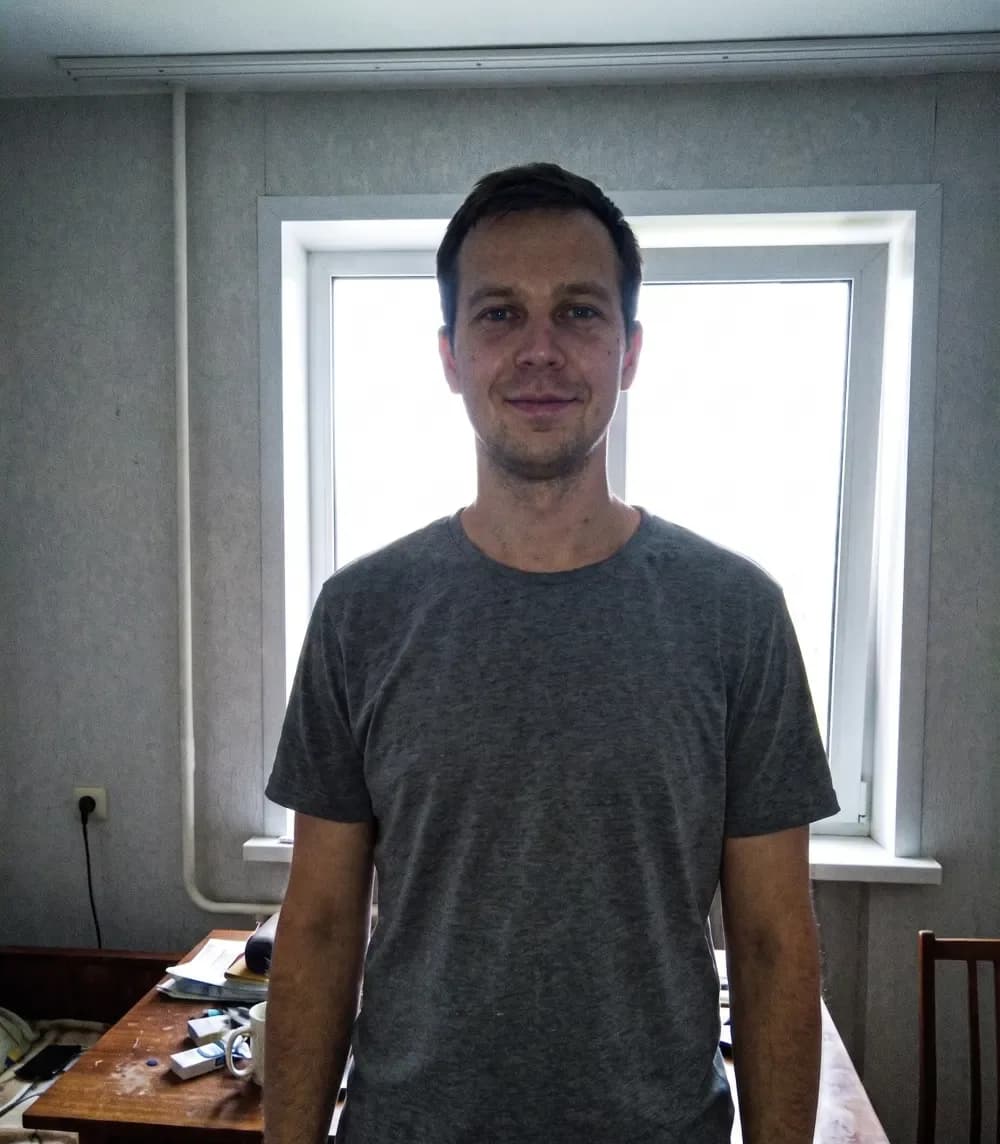
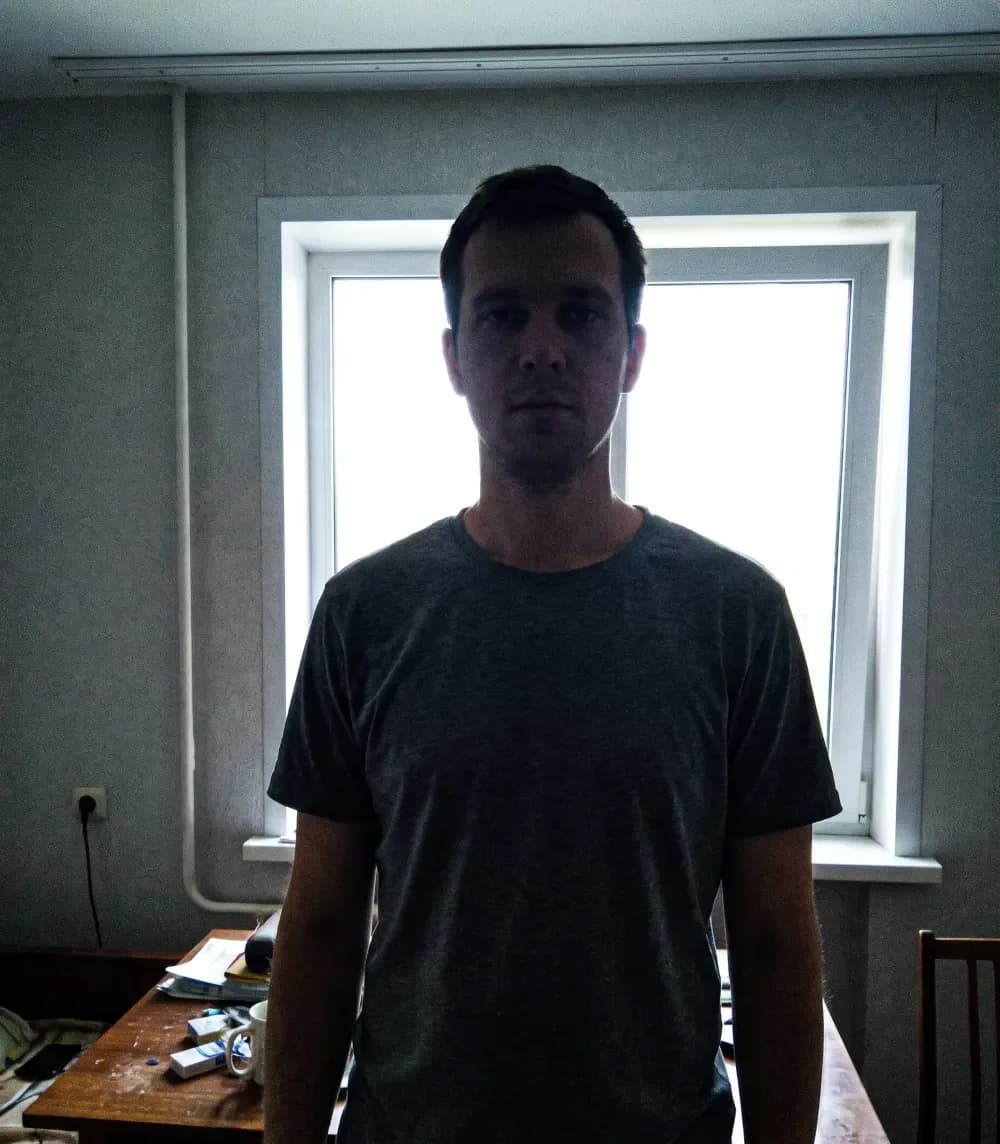
What each photo in the set should do
1. The face shot
Solo, front-lit, eye contact, genuine smile. Face filling roughly a fifth to a third of the frame. No sunglasses, no cap brim, no group.
2. The full-body shot
People look for this and get suspicious when it's missing. It doesn't need to be flattering-by-trickery, it needs to be honest and well lit.
3. The doing-something shot
Something you genuinely do, that gives a stranger an opening line. Cooking, climbing, playing, at a gig. The activity matters less than that it's real.
4. The social shot
One photo with other people, placed late in the set, after they know your face. Never first.
The mechanical rules
- Light on your face, not behind it. Window in front, not behind.
- Camera at eye level or a touch above. Below your eye line is unflattering on everyone.
- Eyes visible. No sunglasses in the first photo.
- One face in the opener. A stranger will not work out which one is you.
- Sharp, and big. Apps re-compress everything. Upload the largest sharp version you have.
- Taken by someone else, or on a timer. Arm's-length selfies distort your features.
- Recent. Within about a year, and looking like you do now.
The photo audit checks lighting, framing, sharpness and other visible qualities. You need to judge whether the photo is recent and what the setting adds. Check the upload preview in Tinder, Hinge or Bumble to make sure the crop keeps the details you intended.
What doesn't matter as much as people think
Professional headshots often perform worse than a good phone photo, because they read as staged and set up a mismatch with the person who turns up. Expensive clothes, dramatic locations and stylised editing all fall into the same trap: they draw attention away from the thing being assessed, which is you.
Example photo order
Four photos with different jobs
Our sample written review kept these four photos from a set of six, with crop suggestions for the later shots. The free audit ranks by photographic quality; the written review also considers setting, variety and the role of each photo. These are AI-generated demonstration images.

1. opener
Solo, front-lit, face at 14.3% of the frame, eyes near the lens, and a background that says where you were rather than nothing at all. The strongest one-second read you have.
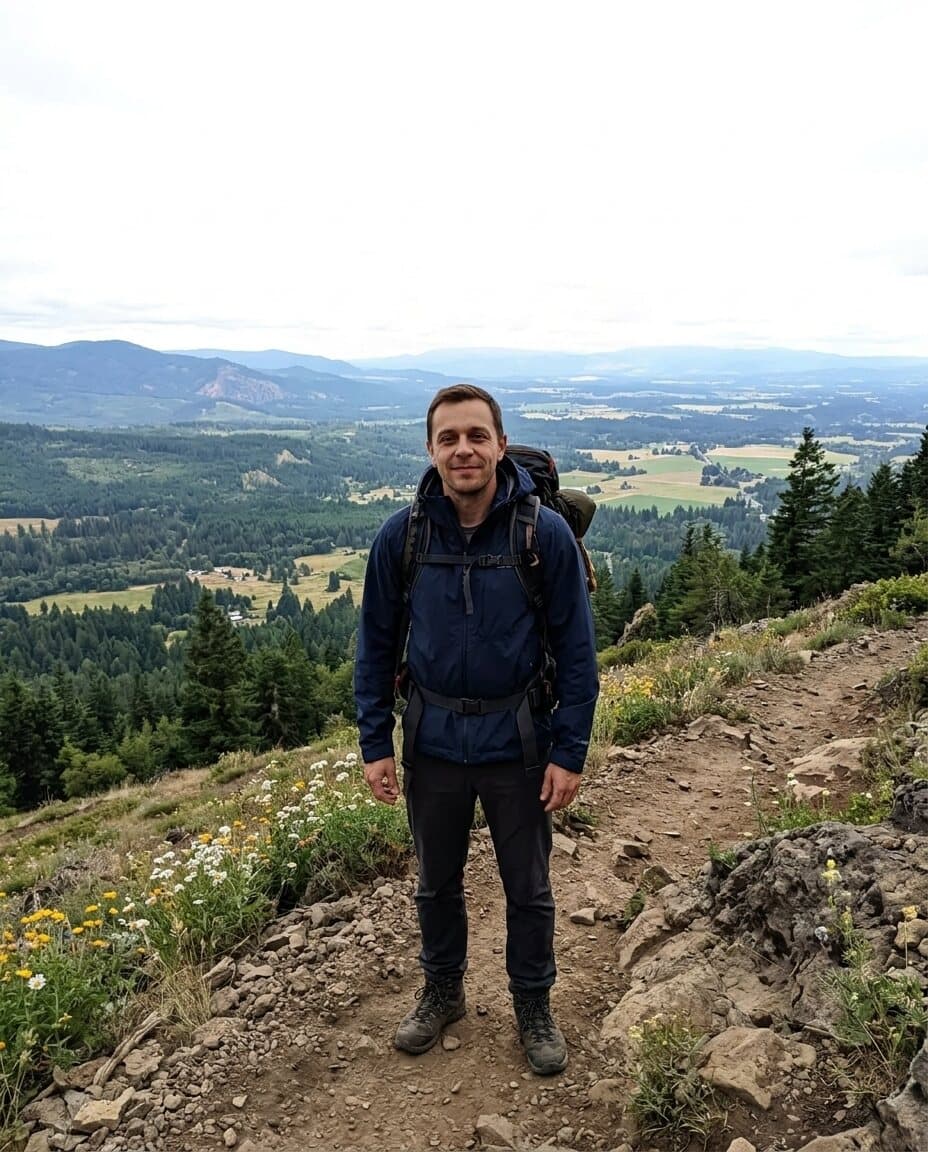
2. full-body
Answers the full-body question immediately after the opener and doubles as the interest shot: pack, boots, ridge.

3. activity
Different setting, different distance, the best expression in the set, and props a stranger can ask about.
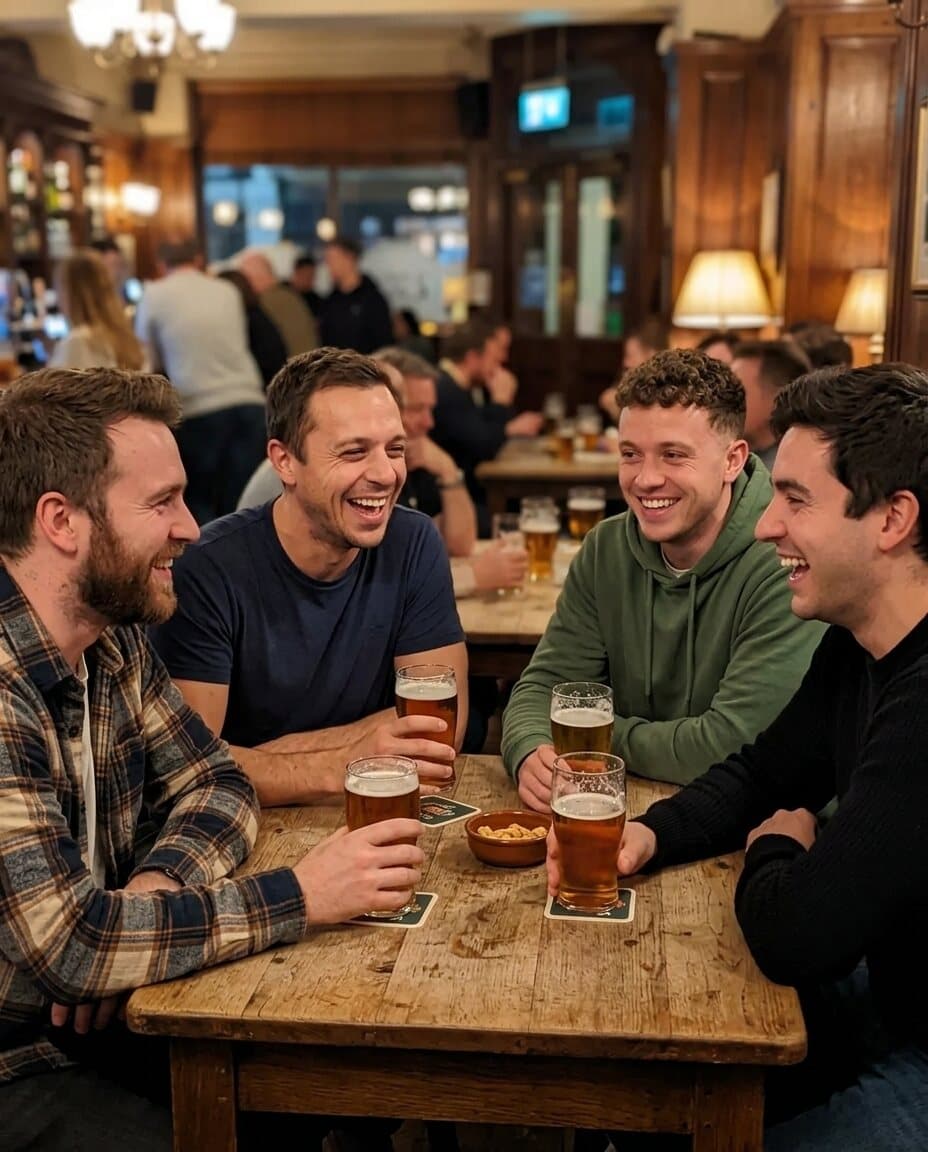
4. social
Proves the social life. Fourth is the right slot for it — never earlier, given your face is 1.5% of the frame uncropped.
The bathroom mirror photo and a repeat car portrait were removed. Read the reasons and reshoot suggestions.
Compare and rank your own profile photos with the free audit, then use the examples above to check variety and context.
Free · no signup · nothing uploaded
Audit a dating photo
Nine measurements on framing, lighting, eye contact and sharpness. Runs on your phone — the photo never leaves it.
Common questions
- How many photos should a dating profile have?
- Four to six. Below four looks like a thin or fake profile. Above six and the weakest photo starts dragging the set down, because people judge you on the worst one as much as the best.
- Should I use professional dating photos?
- Usually not necessary, and sometimes counterproductive. A well-lit phone photo taken by a friend outperforms a studio headshot because it looks like the person who will turn up to the date. Fix your lighting before you pay anyone.
- How recent do dating profile photos need to be?
- Within about a year, and they must reflect how you currently look. A photo that flatters you but no longer resembles you costs you at the meeting stage instead of the swiping stage.
- Do AI-generated dating photos work?
- They test badly and the apps are increasingly hostile to them. The deeper problem is the same as heavy filtering: the photo has to survive meeting you in person.
- Should I smile in my dating profile photos?
- In the first one, yes. A neutral expression gets read as guarded or bored, because viewers fill an ambiguous face with the least generous interpretation available.
Keep reading